
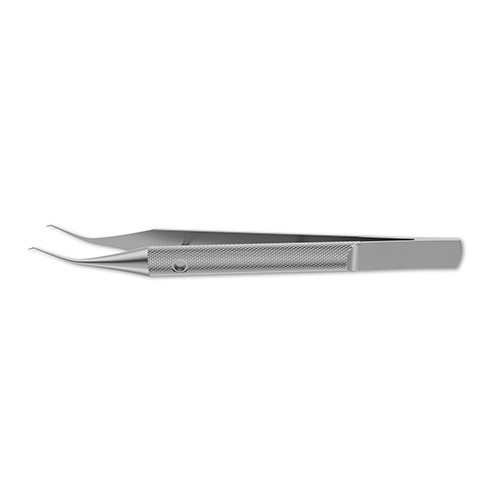
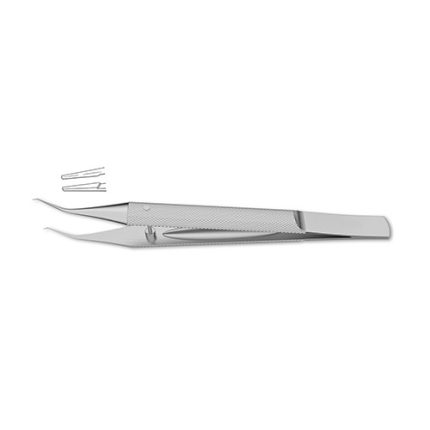
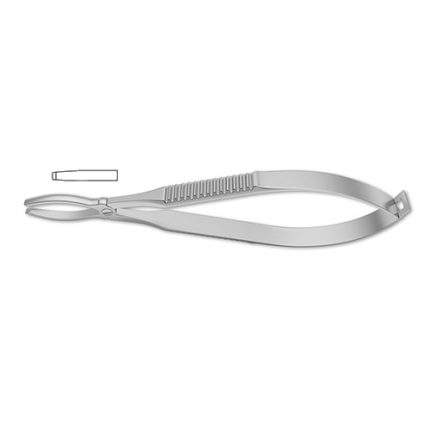
Graefe Fixation Forceps
fine, multiple atraumatic teeth, 4-1/8″ (10.5 cm) Graefe Fixation Forceps are a commonly used tool in ophthalmologic procedures needing an extensive view of the globe. The forceps are generally applied at the limbus and then fixed gained the sclera for a secure hold. Two different jaw sizes are available with the forceps as well as a locking feature as desired.
Description
| Name | Graefe Fixation Forceps |
| Lead Time | Lead time advised within 48 hours of order placement. |
| Specialty | Ophthalmology-Stainless Forceps |
| Material Finish | Stainless Steel |
| Grade | Premium Operating Room |
| Units of Measurement | Each |
| Manufacturer | The Century Instruments |
| Sterility | Non-Sterile |
| Usage | Reusable |
Reviews (0)
Shipping & Delivery
Related products
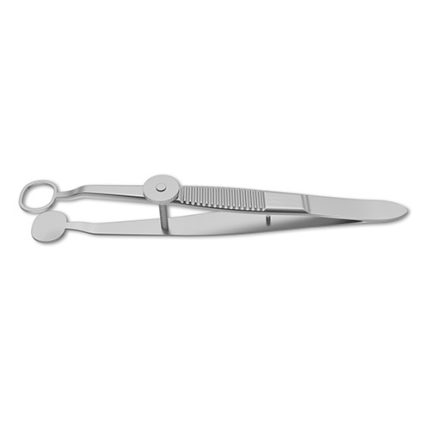
Baird Chalazion Forceps
slightly curved jaws with platform, 4-1/4" (11.0 cm)Baird Chalazion Forceps are a commonly used tool in diseases of the eyelid. The forceps are meant to expose a chalazion or other cysts of the lid. The forceps feature an open blade meant to encircle the cyst and tightened so the lid is everted. The model also features a locking thumb screw designed to free the surgeon's hands if desired.
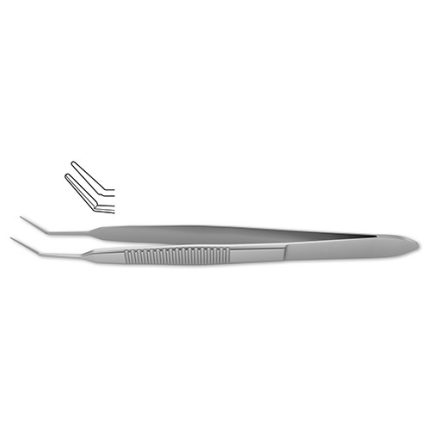
Bechert-McPherson Tying Forceps
horizontal serrations, 3-1/2" (8.9 cm) Bechert-McPherson Tying Forceps are a useful tool in ophthalmologic procedures, particularly cataract surgeries. The smooth tips are ideal for handling the anterior capsular flap during removal of the native lens as well as handling both 8-0 and 11-0 sutures. The ribbed handle provides a more ergonomic grip during the procedure.
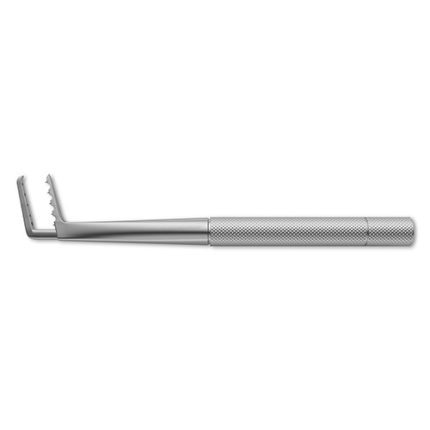
Berens Muscle Clamp
w/ slide lock, 4" (10.0 cm) Berens Muscle Clamp is a unique tool designed to handle the muscle insertions of the eye. The clamp features 13.5 mm blades, wide enough to handle the extraocular and levator muscles. The teeth on the bottom blades are specially designed to avoid slipping and hold the muscle for further manipulation.
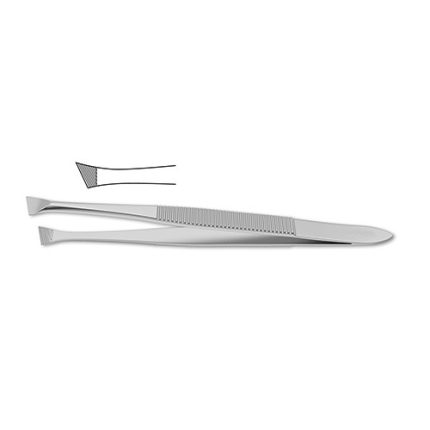
Bergh Cilia Forceps
cross-serrated tips, delicate, 3-3/8" (8.6 cm) Bergh Cilia Forceps are a multipurpose instrument for ophthalmologic procedures involving the eyelid. The forceps feature a serrated jaw that can be used for removing the cilia for trichiasis or management of blepharitis marginalis. The heavy spring pattern gives the surgeon increased power during the operation.
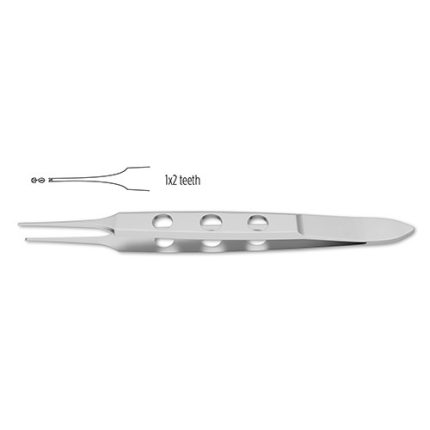
Blaydes Lens Holding Forceps
cross-serrated at tip, rear of jaw fluted, 4-1/8" (10.5 cm) Blaydes Lens Holding Forceps are a tool used primarily for cataract and IOL procedures. The very delicate narrow jaws are designed to grip the IOL firmly yet atraumatically. The cross action precision handle is complete with finger holes to give the surgeon increased control during the operation.
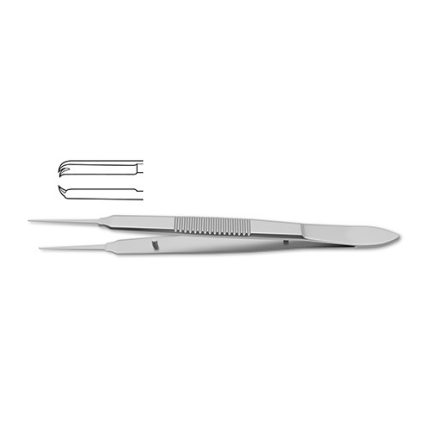
Castroviejo Suture Forceps – Bayonet
wide handle, bayonet shape, 6.0 mm tying platform, 0.3 mm teeth, 4-1/8" (10.5 cm) Castroviejo Suturing Forceps are a multipurpose tool for a variety of ophthalmologic procedures. The delicate teeth are designed for the handling of fine tissue, such as corneal tissue during a keratoplasty. The forceps are available with a tying platform, designed to grasp both the tissue and suturing equipment without changing instruments. The bayonet style is ideal for difficult to reach areas and minimizes surgical obstruction during the procedure.
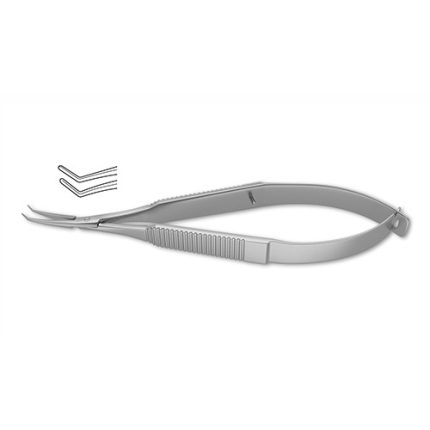
Colibri Type Corneal Utility Forceps
0.12 mm angled 45 degrees, 6.0 mm tying platform, 4-1/8" (10.5 cm) Colibri Type Corneal Utility Forceps are a commonly used instrument for handling the corneal tissue during keratoplasty or repair. These forceps feature fine 0.12 teeth for the manipulating delicate tissue during cornea-scleral suturing, while the 6.0 mm tying platform allows for the handling of both tissue and sterile material. Finally, a ribbed handle provides a secure grip during the procedure.
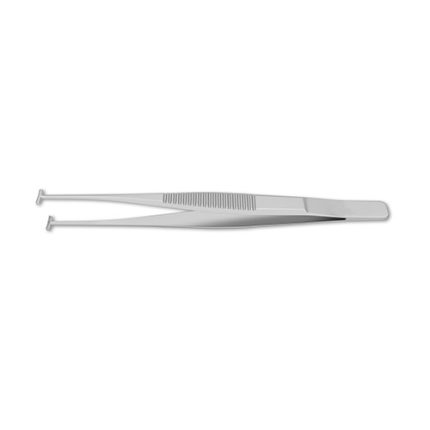
Dodick Nucleus Splitter
serrated paddle jaws, 4-1/8" (10.5 cm) Dodick Nucleus Splitter is a commonly used tool for phacoemulsifcation. The serrated paddle jaws are designed to break up the nucleus of the lens for eventual aspiration. The splitter the features finger holes in the handle to adjust traction and grip during the procedure.

Reviews
There are no reviews yet.