
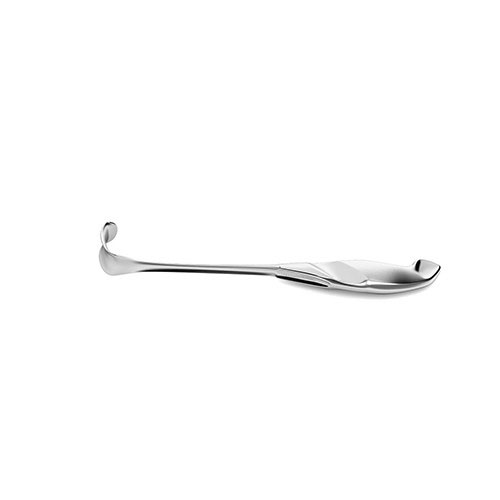
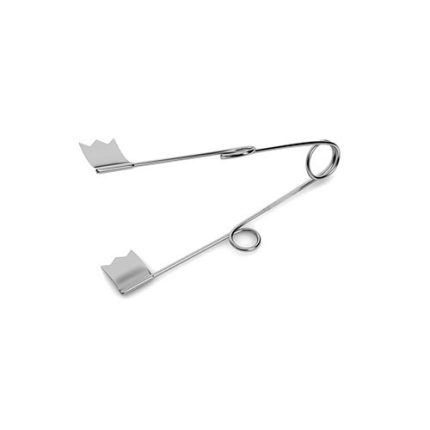
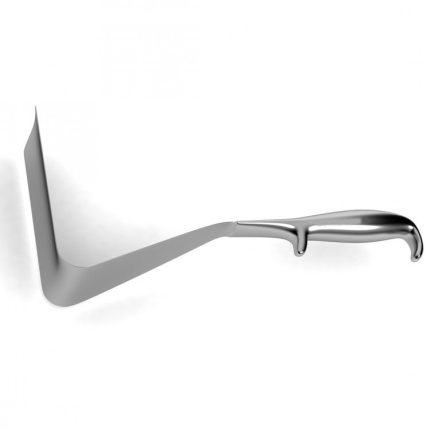
Retractor – Lamb Handle
Lamb handle, 9-1/2″ (24.0 cm)
Richardson Retractor contains a lamb handle and is 9 ½” in overall length. This retractor may be used in medical procedures that usually involve the chest or abdomen. Due to the curved blade, the surgeon is able to hold onto soft tissue and pull it away from the area being operated. Various blade widths and depths are offered to accommodate different cases and patients.
Description
| Name | Richardson Retractor – Lamb Handle |
| Lead Time | 0-3 days |
| Specialty | General Instruments-Hooks & Retractors – Retractors |
| Material Finish | Stainless Steel |
| Grade | Premium Operating Room |
| Units of Measurement | Each |
| Manufacturer | The Century Instruments |
| Sterility | Non-Sterile |
| Usage | Reusable |
Reviews (0)
Shipping & Delivery
Related products
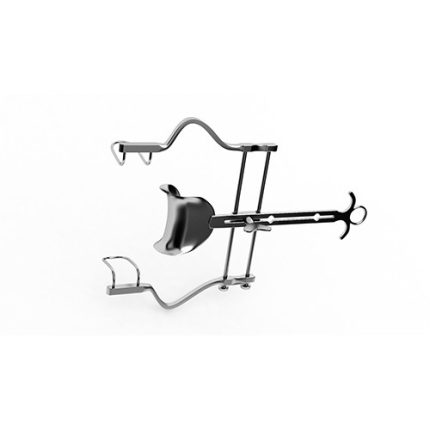
Balfour Abdominal Retractor W/ Fixed Side Blades
w/ ratchet bar mechanism, w/ fixed fenestrated side blades, 7-1/8" (18.1 cm) maximum spread
Balfour Abdominal Retractor with Fixed Side Blades contains a ratchet bar mechanism and side blades that are fenestrated. These side blades are designed to push apart an incision while the ratchet holds the instrument in position. The solid center blade, however, can be lowered or raised to provide better visibility for the surgeon.
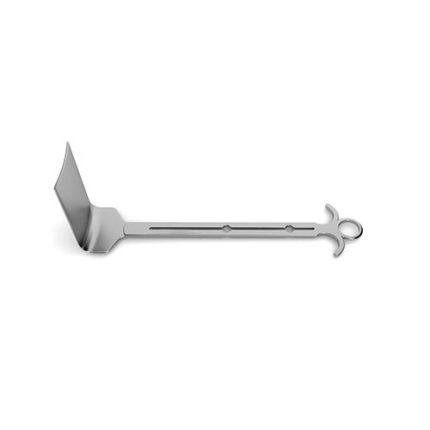
Balfour Extra-Deep Center Blades
For balfour retractor systems w/ fixed side blades, 2-3/4" wide x 4" deep
Balfour Extra-Deep Center Blades consists of a 4" deep blade that is curved at a right-angle. This blade may be intended for larger patients or for accessing deeper areas of the abdominal cavity so that they can be held in place. Another feature of this center blade is that it contains loop holes in the center slot so that it can provide different spreads.
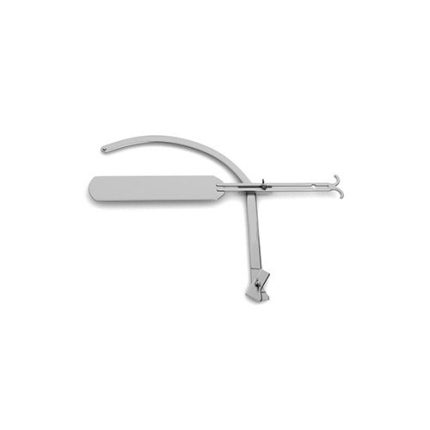
Balfour Fourth Blade Attachment
Balfour Fourth Blade Attachment
for detachable balfour retractor systems
Balfour Fourth Blade Attachment is especially designed to be used as an addition to the Detachable Balfour Retractor Systems. The long, flat blade can accommodate to different spread sizes to fit the needs of the procedure being conducted. It also contains an option for the right arm or left arm depending on the area of the abdominal wall that needs to be retracted.
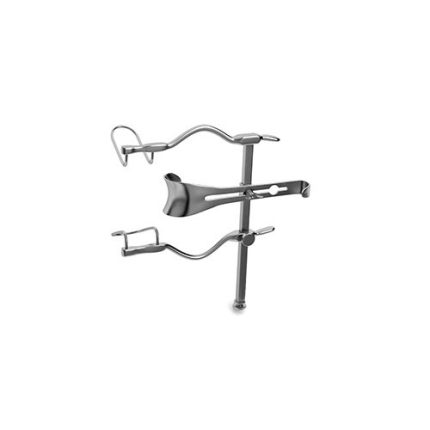
Balfour-Baby Pediatric Abdominal Retractor
Balfour-Baby Pediatric Abdominal Retractor
Balfour-Baby Pediatric Abdominal Retractor has a maximum spread of 3 ½," which is ideal for smaller patients, such as young children. This retractor system also includes fixed fenestrated side blades that help to spread open an incision and allow for adequate inspection of the abdominal cavity.
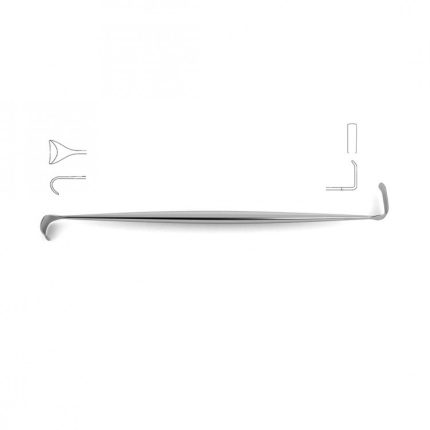
Cope Retractor
Double-ended, 6.0 mm & 11.0 mm, 7-1/8" (18.0 cm)
Cope Retractor is a double-ended surgical instrument primarily used to pull back skin or organs that may obstruct the operating area. The main features of this retractor are its different shaped blades. For example, one end contains a strongly curved blade with a lip. The other end, however, contains a sharp, right angle blade with a ridge on the tip.
Cottle Tenaculum
Cottle Tenaculum
angled, 6-1/4" (16.0 cm)
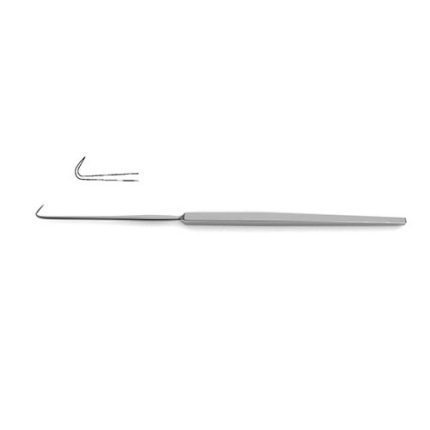
Cottle Tenaculum has a long, slim handle with a hook that tapers into an angled point. The primary use of this hook is to grasp or hold tissue away from the surgical site in order to provide the surgeon with greater visibility to the area. This instrument is offered in a 6 ¼" length.
Davis Brain Spatula
Davis Brain Spatula
malleable, 7" (17.5 cm)
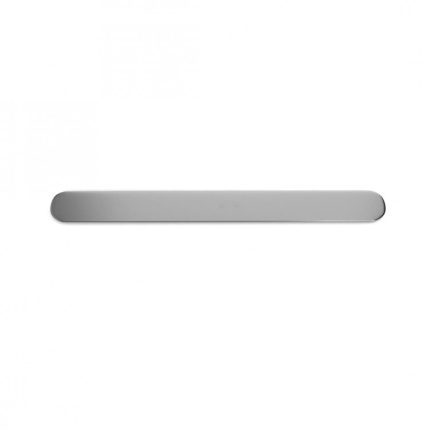
Davis Brain Spatula is 7" in length and comes in a variety of widths to accommodate different cases. This instrument is commonly used in neurology procedures to hold the opening in the brain while operating. The spatula is also malleable, which allows it to bend and fit the size or depth of the operated brain. Following the conclusion of the surgery, a small hammer is used to strike the spatula in order to restore it to its initial shape.
Deaver Retractor – Double-Ended
Double-Ended
double-ended, 1" wide x 9" long
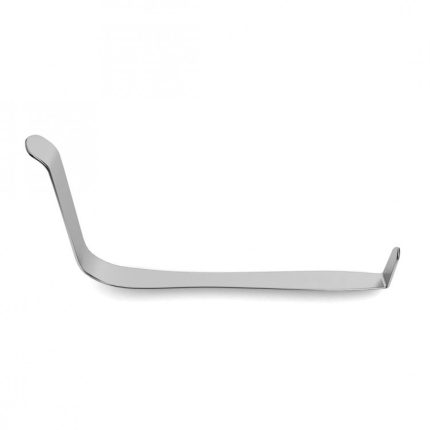
Deaver Retractor is typically used during abdominal procedures to keep the organs from interfering with the surgical site. This double-ended instrument has a long, curved blade on one end and a short, right angle blade on the other end. The shorter end may help to retract the walls of the bladder during intravesical surgeries, and the longer end may be helpful for deeper retractions.

Reviews
There are no reviews yet.